(function(){ document.querySelectorAll('[data-topbar]').forEach((topbar)=>{ if(topbar.dataset.init) return; topbar.dataset.init = "1"; const openBtn = topbar.querySelector('[data-open]'); const closeBtns = topbar.querySelectorAll('[data-close]'); const links = topbar.querySelectorAll('[data-link]'); const open = () => topbar.classList.add('isOpen'); const close = () => topbar.classList.remove('isOpen'); const toggle = () => topbar.classList.toggle('isOpen'); if(openBtn) openBtn.addEventListener('click', toggle); closeBtns.forEach(b => b.addEventListener('click', close)); links.forEach(a => a.addEventListener('click', close)); }); })();

Hej! I'm Nikolas Joukowski, a Greek game designer based in Sweden.

I focus on level design and building gameplay that feels immersive and intuitive.

Currently studying at PlaygroundSquad and working hands-on in Unity and Unreal.

I love clever mechanics, weird systems, and anything that makes players say “aha!”

My Projects ▸

MY PROJECTS

Entropy cover
👥 16⏱️ 9 Weeks🛠️ Unreal Engine 5

Entropy

Game Design & Level Design

A puzzle platformer with elements of horror, set in an ancient temple where light becomes the player’s main tool for exploration.
(function(){ document.querySelectorAll('.entropyCard').forEach(card => { const v = card.querySelector('video.entropyVideo'); if (!v) return; const play = () => v.play().catch(()=>{}); const stop = () => { v.pause(); v.currentTime = 0; }; card.addEventListener('mouseenter', play); card.addEventListener('mouseleave', stop); card.addEventListener('focusin', play); card.addEventListener('focusout', stop); }); })();
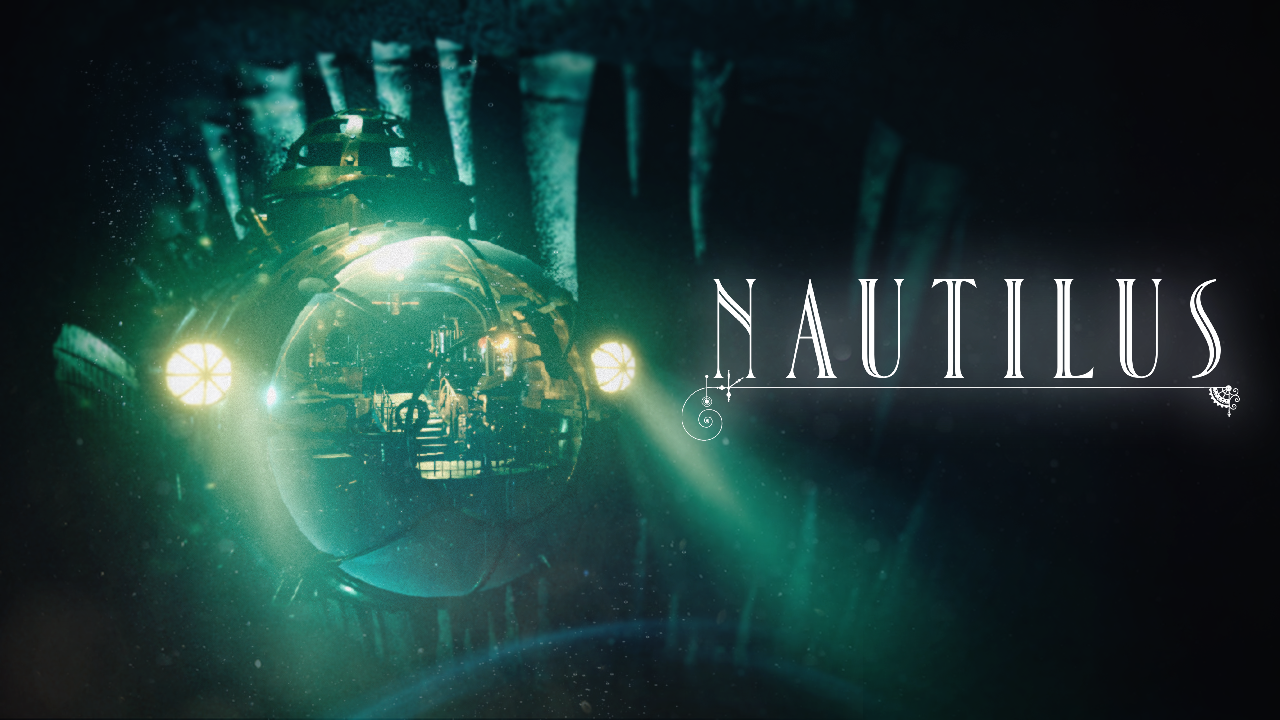
Nautilus cover
👥 12⏱️ 9 Weeks🛠️ Unity 6

Nautilus

Game Design & Level Design & Sound Design

A slow, immersive deep-sea experience built as a visual and auditory spectacle.

(function(){ document.querySelectorAll('.nautilusCard').forEach(card => { const v = card.querySelector('video.nautilusVideo'); if (!v) return; const src = v.querySelector('source')?.getAttribute('src') || ''; if (!src || src.includes('YOUR_VIDEO_URL_HERE')) return; // no video yet const play = () => v.play().catch(()=>{}); const stop = () => { v.pause(); v.currentTime = 0; }; card.addEventListener('mouseenter', play); card.addEventListener('mouseleave', stop); card.addEventListener('focusin', play); card.addEventListener('focusout', stop); }); })();
Glitsa cover
👥 3⏱️ 12 Weeks🛠️ Unity

Glitsa

Game Design & Level Design

A first-person shooter set in 1960s Crete inspired by Dusk and other games of the boomer shooter genre.
(function(){ document.querySelectorAll('.glitsaCard').forEach(card => { const v = card.querySelector('video.glitsaVideo'); if (!v) return; const play = () => v.play().catch(()=>{}); const stop = () => { v.pause(); v.currentTime = 0; }; card.addEventListener('mouseenter', play); card.addEventListener('mouseleave', stop); card.addEventListener('focusin', play); card.addEventListener('focusout', stop); }); })();
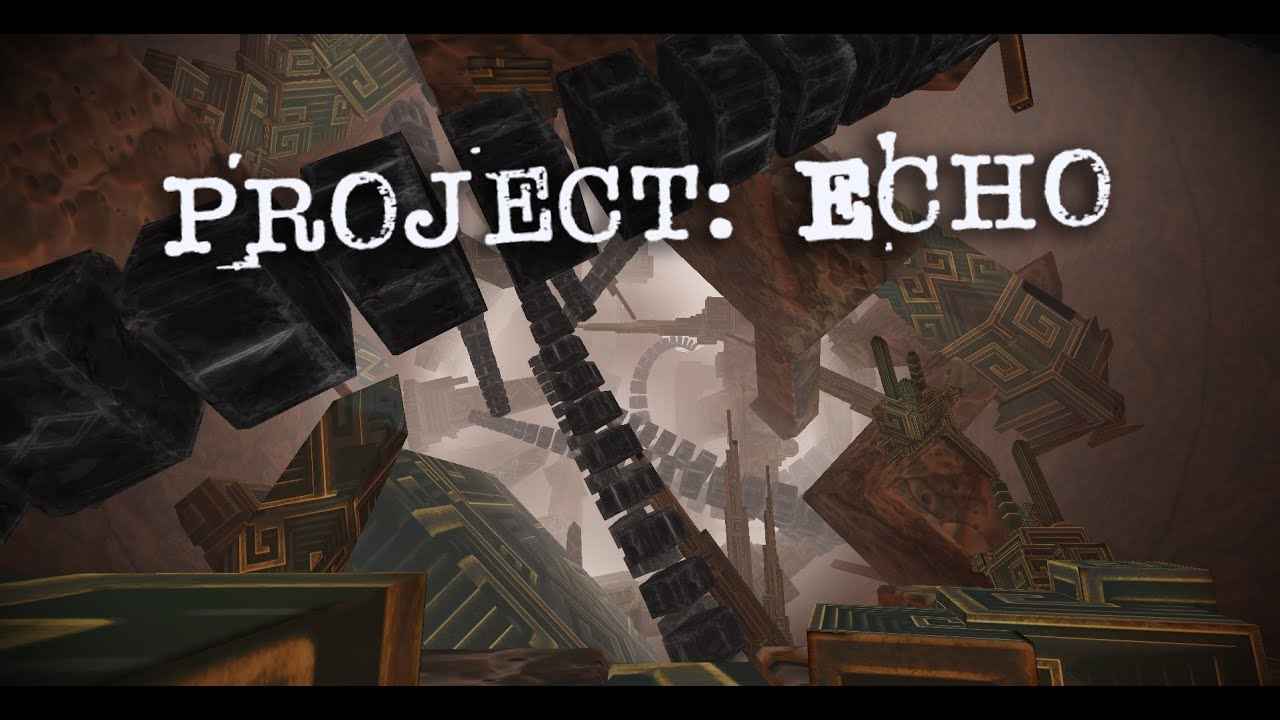
Project: Echo cover
👥 13⏱️ 6 Weeks🛠️ Tengine

Project: Echo

Game Design & Level Design

An atmospheric puzzle platformer, set in a massive alien tunnel.
(function(){ document.querySelectorAll('.echoCard').forEach(card => { const v = card.querySelector('video.echoVideo'); if (!v) return; const play = () => v.play().catch(()=>{}); const stop = () => { v.pause(); v.currentTime = 0; }; card.addEventListener('mouseenter', play); card.addEventListener('mouseleave', stop); card.addEventListener('focusin', play); card.addEventListener('focusout', stop); }); })();
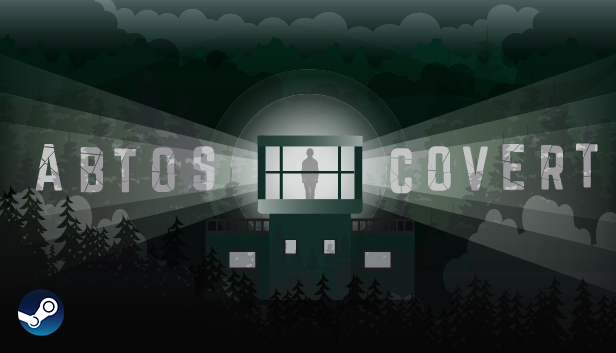
Abtos Covert cover
👥 4⏱️ 3 Years🛠️ Unity

Abtos Covert

Game Design & Level Design

A survival horror game in which you play the role of a soldier keeping guard on a remote outpost out in the woods.
(function(){ document.querySelectorAll('.abtosCard').forEach(card => { const v = card.querySelector('video.abtosVideo'); if (!v) return; const play = () => v.play().catch(()=>{}); const stop = () => { v.pause(); v.currentTime = 0; }; card.addEventListener('mouseenter', play); card.addEventListener('mouseleave', stop); card.addEventListener('focusin', play); card.addEventListener('focusout', stop); }); })();
Vertigo cover
👥 1⏱️ 5 Weeks🛠️ Unreal Engine 5

VERTIGO

Game Design & Level Design & Sound Design

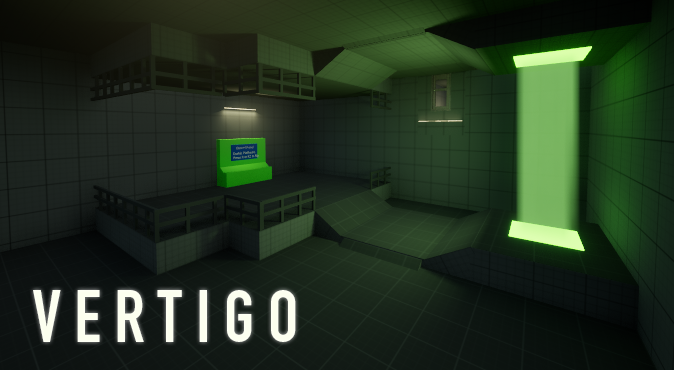
A surreal atmospheric game with gravity mechanic.


(function(){ document.querySelectorAll('[data-topbar]').forEach((topbar)=>{ if(topbar.dataset.init) return; topbar.dataset.init = "1"; const openBtn = topbar.querySelector('[data-open]'); const closeBtns = topbar.querySelectorAll('[data-close]'); const links = topbar.querySelectorAll('[data-link]'); const open = () => topbar.classList.add('isOpen'); const close = () => topbar.classList.remove('isOpen'); const toggle = () => topbar.classList.toggle('isOpen'); if(openBtn) openBtn.addEventListener('click', toggle); closeBtns.forEach(b => b.addEventListener('click', close)); links.forEach(a => a.addEventListener('click', close)); }); })();

Project Echo is a first-person spatial puzzle game set inside a massive alien tunnel — a rotating, cylindrical structure where players manipulate gravity to solve traversal challenges. You play as Josie, an explorer who discovers an ancient artifact that lets her lock onto surfaces and rotate the tunnel in real-time.

Inspired by games like Astro Bot, Project Echo takes full advantage of the PlayStation 5 DualSense controller to deliver immersive gameplay through gyro aiming, adaptive triggers, and rich haptic feedback.

Built in Tengine, our in-house engine, Project Echo was created in 6 weeks by a team of 13 students at PlaygroundSquad. I served as Level & Gameplay Designer, focusing on core mechanics, spatial puzzle design, controller feedback systems, and tutorial planning.

Despite the tight timeline and a custom engine, we delivered a polished experience with innovative rotation-based mechanics and a surreal alien atmosphere we’re proud of.

Project Info

  • 👤 Role: Lead, Level Designer and Gameplay Designer
  • 👥 Team Size: 13
  • ⏱️ Time frame: 6 Weeks
  • 🛠️ Engine: Tengine
(function(){ const iframe = document.getElementById('pe-vimeo'); if (!iframe || !window.Vimeo) return; const player = new Vimeo.Player(iframe); player.setMuted(true).catch(()=>{}); const reduceMotion = window.matchMedia('(prefers-reduced-motion: reduce)').matches; if (reduceMotion) return; const obs = new IntersectionObserver((entries)=>{ entries.forEach(e=>{ if (e.isIntersecting && e.intersectionRatio > 0.55) player.play().catch(()=>{}); else player.pause().catch(()=>{}); }); }, { threshold: [0, 0.55, 1] }); obs.observe(iframe); })();


Level design

It all started with the question:
What if the level itself was the puzzle?
I didn’t want to just place obstacles inside a cool space, I wanted to create a space the player had to understand, manipulate, and rotate to progress.

That was the seed of the idea. I started brainstorming with architectural concepts like the Panopticon, but quickly shifted gears after remembering Vah Naboris, the rotating divine beast from Breath of the Wild. I loved how the entire structure rotated to shift the level layout itself and wanted to push that further.From there, I began sketching ideas for cylindrical tunnels with shifting paths that could connect and disconnect based on rotation. I also pulled visual inspiration from Escher’s “Relativity” and the surreal hallways of Harry Potter.

To test the idea, I built a quick Unreal Engine prototype where you could rotate the tunnel you were looking at using the mouse wheel. This helped me answer important design questions:This prototype became a core part of my pitch to the team. It let me show how the rotation felt in real time, and how puzzles could form through platform alignment, gravity shifts, and spatial memory.


After pitching and validating the prototype, I moved on to designing a full experience across six main puzzle rooms. Each section introduced new mechanics, spatial twists, or visual shifts that built on the player’s existing understanding.Due to time limits, our teammate Ami helped design short tutorial segments to teach each mechanic gradually. These had to be cut or merged to keep the project focused and cohesive, creating a tighter experience that still touches on every system.elow is the roadmap of all levels in the game. Under this image, I break down the levels I designed in more detail.


• Tutorial

The OfficeDesign Focus:
Introduce movement, set tone, and tease the artifact’s power.

The level begins in a tight, abandoned office space — evoking unease and curiosity. Players are guided through a short route where they must jump a pit to progress. Failing the jump respawns them nearby, allowing safe experimentation without breaking immersion.Once outside, the space opens drastically into a massive alien tunnel surrounded by scaffolding. This contrast in scale was designed to evoke tension and mystery, highlighting the artifact at the center.
The device is unmissable.
A one-step tunnel rotation puzzle introduces the core mechanic through environment-driven interaction — no UI prompts needed.


• Puzzle 1

Aperture 𖣐Design Focus:
Introduce multi-step rotation puzzles, environmental hazards, and spatial awareness.

The player enters a new tunnel system — untouched by humans — marking a shift in tone and scale.The brutalist architecture emphasizes raw geometry and isolation, with lighting and audio guiding the sense of unease.This level introduces a 3-cylinder puzzle, encouraging players to plan ahead while rotating segments. A deadly wall forces players to hug the inner route, using environmental tension to teach safe paths through feedback and risk.The final cylinder offers two solutions, rewarding curiosity and validating multiple approaches.


• Puzzle 2

Aperture 𖣐
Design Focus:
Introduce multi-step rotation puzzles, environmental hazards, and spatial awareness.

The player enters a new tunnel system — untouched by humans — marking a shift in tone and scale.The brutalist architecture emphasizes raw geometry and isolation, with lighting and audio guiding the sense of unease.This level introduces a 3-cylinder puzzle, encouraging players to plan ahead while rotating segments. A deadly wall forces players to hug the inner route, using environmental tension to teach safe paths through feedback and risk.The final cylinder offers two solutions, rewarding curiosity and validating multiple approaches.


• Puzzle 3

The Descent
Design Focus:
Introduce new mechanics (sliding and gravity platforms) and deepen complexity through layered reuse.

The original plan was to introduce vertical movement and gravity platforms across two separate levels. But with limited time, I decided to merge both ideas into a single space — aiming to keep the complexity intact without overwhelming the player.To do this, I reused early tunnel segments, guiding the player backward before unlocking new routes forward. A vertical sliding platform introduces elevation, while the final section uses gravity: rotating a tunnel causes a platform to fall and align, creating a path.It was a balancing act between ambition and feasibility — but by refining the layout and puzzle flow, I preserved both mechanics while keeping the pacing tight.

Designing around a rotating environment required spatial clarity — the geometry had to be understandable in motion, and layouts needed to read well from multiple orientations. The challenge of making the rotation itself feel weighty and physical is covered in Core Mechanic Design, here I focused on how players read the space and solved movement-based puzzles inside it.


Core Mechanic Design

The central mechanic of Project Echo was the ability to rotate massive cylindrical tunnels to solve spatial puzzles and navigate through the environment. This feature needed to feel tactile and immersive, using the PS5's gyro controls and adaptive triggers to connect player input directly to world movement.

To pitch the idea and test feasibility, I built quick Unreal Engine prototypes early in development. Using simple blueprints, I created a system where looking at a cylinder and scrolling the mouse wheel would rotate it.This allowed us to evaluate its potential for puzzle design and refine its basic feel before moving to full implementation in Tengine.

One of the biggest challenges was making the rotation feel physically grounded and believable. The cylinders needed to feel heavy and mechanical, not like a game object spinning weightlessly. The solution was designing smooth rotation while spinning, combined with a snap-lock system that locked the cylinder into the closest interval when the player let go.This kept the mechanic feeling fluid but ensured platforms and environmental elements always aligned correctly, preserving puzzle functionality and immersion.


Platforming Systems

The central mechanic of Project Echo was the ability to rotate massive cylindrical tunnels to solve spatial puzzles and navigate through the environment. This feature needed to feel tactile and immersive, using the PS5's gyro controls and adaptive triggers to connect player input directly to world movement.

During development, I defined the behavior and feel of different platform types, including horizontal sliders, vertical lifts, and push/pull platforms.My role was to design how these should function, interact with the player, and integrate with the rotating tunnels.For example, I planned how push/pull platforms should feel weighty but responsive, and how vertical lifts should sync with rotation segments to avoid blocking player progress unintentionally.

Horizontal Platforms

Horizontal Platforms Vid

Vertical Platforms

Horizontal Platforms Vid

Push & Pull Platforms

PushPullPlatformsVideo

Some work in progress videos of the mechanics


Interaction Design & Systems Setup

During development, I defined the behavior and feel of different platform types, including horizontal sliders, vertical lifts, and push/pull platforms.My role was to design how these should function, interact with the player, and integrate with the rotating tunnels.For example, I planned how push/pull platforms should feel weighty but responsive, and how vertical lifts should sync with rotation segments to avoid blocking player progress unintentionally.


To streamline things, I requested a setup guide from the programming team, a visual reference that explained how puzzle tags should be placed and how different logic pieces connected.This let me focus on building puzzles confidently, without constantly interrupting the programmers or second-guessing things. It saved time, reduced mistakes, and helped me keep the workflow clean.


Player Feedback Design

To streamline things, I requested a setup guide from the programming team, a visual reference that explained how puzzle tags should be placed and how different logic pieces connected.This let me focus on building puzzles confidently, without constantly interrupting the programmers or second-guessing things. It saved time, reduced mistakes, and helped me keep the workflow clean.

That was the seed of the idea. I started brainstorming with architectural concepts like the Panopticon, but quickly shifted gears after remembering Vah Naboris, the rotating divine beast from Breath of the Wild. I loved how the entire structure rotated to shift the level layout itself and wanted to push that further.From there, I began sketching ideas for cylindrical tunnels with shifting paths that could connect and disconnect based on rotation. I also pulled visual inspiration from Escher’s “Relativity” and the surreal hallways of Harry Potter.


UX & Tutorial Planning

Designing the tutorial experience in Project Echo was all about balancing learning with immersion. Because the game's main mechanic, rotating entire tunnels, was so unique, players needed just enough guidance to understand it, without feeling like they were being handheld.

We didn’t want to interrupt the pacing with UI pop-ups or stop-the-game moments. Instead, I worked with the design team to plan a natural onboarding experience where mechanics were introduced gradually through level layout and visual cues.To support the team, I created clear blockouts and design notes that helped everyone stay aligned. Every new mechanic was taught in a space where players could try it without pressure, and without being explicitly told what to do. Our goal was to make learning feel like part of the world, not something separate from it.


Environment & Aesthetic Setup

While the visual art was handled by our dedicated environment artists, I was responsible for placing, organizing, and assembling assets directly inside the engine. Using our custom toolset in Tengine, I made sure environments stayed readable and matched the design intent throughout production — both in early blockouts and final scenes.To improve workflow, I also suggested tool improvements, like clickable asset references and helped test exposed variables for faster iteration. When miscommunication caused issues between blockouts and final set dressing, I created a quick Milanote guide to help artists understand player paths and puzzle flow, keeping the experience consistent and readable.

The massive rotating arms were designed to overwhelm and guide the player's gaze through scale and motion


Challenges & Takeaways

While the environment art was handled by the dedicated artists on the team, I was responsible for placing, organizing, and assembling assets directly inside the engine. This included keeping naming conventions clean, structuring scenes clearly, and making sure everything matched the design intent.To improve workflow, I also suggested tool improvements, like clickable asset references and helped test exposed variables for faster iteration. When miscommunication caused issues between blockouts and final set dressing, I created a quick Milanote guide to help artists understand player paths and puzzle flow, keeping the experience consistent and readable.


Game pitch

(function(){ document.querySelectorAll('[data-topbar]').forEach((topbar)=>{ if(topbar.dataset.init) return; topbar.dataset.init = "1"; const openBtn = topbar.querySelector('[data-open]'); const closeBtns = topbar.querySelectorAll('[data-close]'); const links = topbar.querySelectorAll('[data-link]'); const open = () => topbar.classList.add('isOpen'); const close = () => topbar.classList.remove('isOpen'); const toggle = () => topbar.classList.toggle('isOpen'); if(openBtn) openBtn.addEventListener('click', toggle); closeBtns.forEach(b => b.addEventListener('click', close)); links.forEach(a => a.addEventListener('click', close)); }); })();

Entropy is a dark, atmospheric exploration game where the player navigates a surreal environment and uncovers its secrets through traversal, pacing, and environmental storytelling.

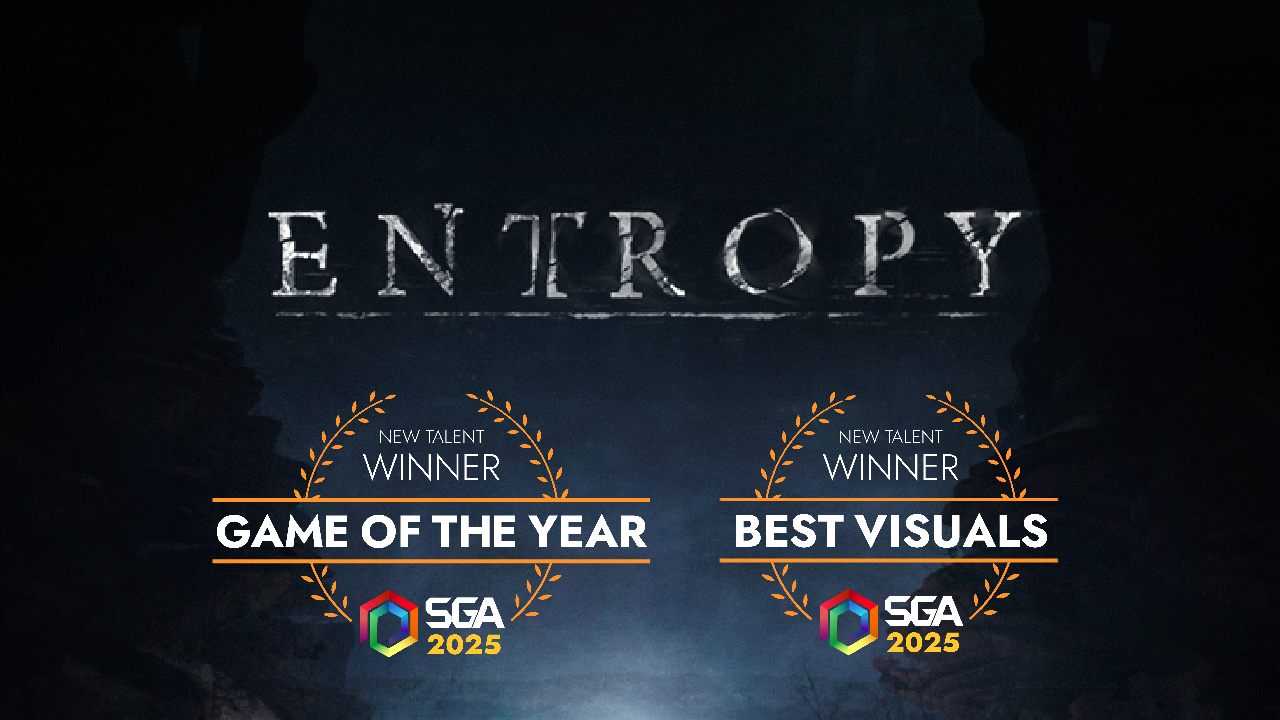
The project won Swedish Game Awards 2025Game of the Year and Best Visuals (New Talent).

Built in Unreal Engine 5 on a PlayStation 5 production branch, Entropy was a 9-week PlaygroundSquad student project developed by a multi-discipline team under a tight deadline.

During development, I stepped into a leadership role to stabilize decision-making, align the team, and keep production moving. Alongside that, I focused on exploration level design and level integration, building the foundation of the playable spaces, refining moment-to-moment flow, and supporting mechanic iteration to keep the experience coherent and shippable.

SGA 2025 Game of the Year WinnerSGA 2025 Best Visuals WinnerSGA 2025 Best Technology Nominee
Project Info
👤 Role: Lead, Game design, Level design
👥 Team Size: 16
⏱️ Time frame: 9 Weeks
🛠️ Engine: Unreal Engine 5


Level Design

Entropy started as a playable prototype. In 9 weeks, we turned that slice into a full exploration experience, with clear progression, readable navigation in darkness, and spaces that support puzzles, story beats, and pacing.My work focused on building and iterating exploration layouts (blockouts → playtests → fixes), then integrating them into a cohesive world flow across multiple floors. The goal was simple: players should feel lost in the world, not lost in the level.

• Exploration + puzzle layouts across Floors 1–4• Navigation fixes from playtests (backtracking, blocked paths, landmarks)• Progression stability (spawnpoints, routing, build integration)


I started by playing the existing prototype to understand what already worked, and what was missing for a full game.The biggest gap wasn’t mechanics — it was readability and player guidance in a world built around darkness.

From there, I rebuilt the opening into a more intentional first exploration slice. The new start teaches that light isn’t just mood — it’s navigation.A short, controlled route rewards brief bursts of light to reveal landmarks, paths, and interactables, teaching the core loop without relying on tutorial text.


To keep navigation readable in a very dark game, we structured Entropy around a simple loop: each floor is a self-contained exploration/puzzle space, and a central hub elevator acts as the consistent anchor point.After completing a floor, players return through a Return Gate (portal), regroup in the hub, and then descend to the next stop, keeping progression clear even when visibility is limited.


Below, I break down my level design work floor-by-floor. For each floor, I’ll highlight the key goal, the main readability risk (in a dark game), and the iteration that made the route clearer through playtests.

⦿ Floor 1

Floor 1 started from an existing prototype blockout, so my first step was to play it and map what already worked. The foundation was solid, but the opening needed a clearer first-time experience, especially because darkness is the core constraint of the game.

To make the temple reveal land, the layout shifts from tight, claustrophobic navigation into a wider “breathing” space—this contrast became a key pacing beat before the player enters the structure.


At the half of Floor 1, I wanted a moment where the player realizes the scale of the world. The problem was that the reveal sat in darkness, so some players rushed past it or never understood they could “probe” the space with light.

To make the moment readable without removing the mystery, I treated light as a reward for curiosity. Shooting into the void becomes a small test: how far does the orb reach? If the player is patient, the space slowly answers back, and the temple silhouette emerges as a payoff that makes the player feel small.We iterated on the light-orb behavior with programmers and artists to support that pacing: the orb travels faster over distance and keeps its brightness longer, so far areas still get a readable glow. This kept the darkness intact, but made the reveal consistent and hard to miss.


Blockout → Final Readability

This area was our first real “navigate-by-light” test, and early playtests showed players struggled to read the route.After adjusting sightlines and landmark cues, it became a strong onboarding gate — once players passed it, they adapted fast and the rest of the game flowed better.

BeforeAfter


⦿ Floor 2

Floor 2 is the first “pure temple” space. I designed it as a contained loop around a central void so players always have a clear sense of direction, even when the environment is hard to read.The focus here is pacing: short exploration beats → a puzzle beat → a platform beat, repeating in a way that feels natural and keeps forward progress obvious.

This floor teaches sequencing and timing while keeping navigation simple — one readable loop, with each beat pointing to the next.

I started with a more complex final platforming segment that required several precise placements in a row. Playtests showed it was too punishing this early, so I simplified the sequence:fewer chained steps, clearer setup, and a smoother reset if the player failed. After the change, players reached the end more consistently and entered the next floor with more confidence.


Blockout → Final Readability

I iterated on the blockout to make the path readable without brightening the whole level: clearer sightlines, stronger silhouettes, and a few well-placed landmarks that light could briefly reveal.After this pass, players adapted faster and the rest of the game flowed more smoothly.

BeforeAfter

⦿ Floor 3

I designed it as a controlled “reset space” after Floor 2: simple shape, limited distractions, and a clear focal direction so players naturally discover the first magnet interaction without needing explicit tutorial text. The room is intentionally contained to encourage scanning and curiosity, then rewards that curiosity with a fast, satisfying first traversal payoff.


Part 1 and Part 2 act as Floor 3’s onboarding sequence. I built them as a controlled reset after Floor 2: simple shapes, limited distractions, and a clear focal direction so players naturally discover magnet traversal without relying on explicit tutorial text.From there, I extended the space into an early route that reinforces the new movement rhythm and sets up progression into the next areas. The focus was keeping pacing tight and navigation clear, so players feel they’re gaining flow and confidence, not stopping to “solve a puzzle” yet.


Once Floor 3 Part 3 was being assembled into the full build, I focused on integration and polish.I did a cleanup pass across the floor, moved elements to improve flow and pacing, and adjusted progression edges between Floor 2 and Floor 3 (blocked paths, entrances, and guidance) so the overall difficulty curve stayed consistent.This was also where I supported clarity improvements, small feedback and layout tweaks that made the floor feel more cohesive when played as part of the complete hub-to-floor loop.


⦿ Floor 4

Floor 4 was the first “full-scale temple” slice — a large vertical space built to sell the feeling of an endless, broken structure.
My focus was establishing the foundation and route: clear long-term goals, strong sightlines across the gap, and a progression that lets the player preview future spaces, then later look back and understand how far they climbed.
Because the level is more open and multi-layered, we broke it into smaller puzzle beats and validated flow through playtests. I worked mainly on the switch/magnet/platform beats and how they chain into readable traversal, while keeping the overall route linear even when the space feels free.


What I’m showing below: the starting route + a short gameplay reel, then two focused puzzle beats (each with a quick clip from a brighter debug view so the layout is readable).

Floor 4 — Part 1

I built the opening of Floor 4 to immediately communicate scale and direction. The route starts with a clear “climb” goal, then uses short, controlled traversal beats to teach how this floor flows: push forward, gain height, and repeatedly re-frame the space from new angles.A key goal here was readable progression in a complex space, the player should always know what the next objective is, even while the environment stays mysterious. This section sets up the rhythm for the rest of the floor: cross a gap, unlock the next stop, then climb again.

Video

Floor 4 Part 2

I designed the opening puzzling beat of Floor 4 around a new twist on an existing toolset: using switches to control freezing platforms, so the player starts “routing” movement instead of just reacting to platform timing.
It’s meant to feel like a playful bridge between the moving-platform logic and the orange freeze platforms, but with more intention and planning.

To give the beat tension and forward momentum, the route is built as a clean platforming run over hazardous spores (smoke).The space stays readable, but the floor becomes a soft threat that pushes the player to commit, keep moving, and use the switch control to create a safe path to the other side.

Video

Floor 4 Part 3

This section combines switches and magnets into a vertical climb where progress costs resources. The player repeatedly sacrifices orbs to unlock the next step, which creates tension and makes the climb feel risky, almost like “web-swinging” upward through the space.

A big focus was clarity through feedback: strong audio/visual cues became essential once sound came online, and it noticeably improved player confidence during playtests.This area also needed multiple iteration passes due to progression/save edge cases, but by the end, players consistently enjoyed the flow and the sense of escalation.

Video

Blockout → Final Readability

I built the first foundation of Floor 4 as a “final floor” space: a large broken-temple chamber with long sightlines, big vertical scale, and routes that loop across separated platforms. The goal was to make players feel deep inside something massive—while still keeping the route understandable.

After playtests and team discussions, we split the floor into clearer sections and locked what each section needed to teach or combine.With the artists and programmers, the space evolved from pure blockout into a readable set-dressed environment that still supports the same traversal and puzzle intent.

For this breakdown, the “after” image uses added light so the layout and beats are readable on a portfolio page.

BeforeAfter


Mechanics / Systems Design

This chapter covers how the prototype mechanics were turned into a consistent, shippable system.My contribution was mainly systems design + tuning + usability rules: defining interaction language (sockets/switches), helping standardize platform and magnet behavior, and pushing for clear feedback (color identity + audio cues)
so puzzles stayed readable in darkness.


The orb

To avoid every object having its own special rules, I helped formalize the socket philosophy: the orb enters a socket to provide power, and connected objects react in predictable ways.This became the shared language of the game“dead” objects communicate they need power, and powered objects communicate they’re active, making cause-and-effect easier to read during playtests.


Moving & Freezing Platforms

I helped standardize platform rules so designers could build harder rooms without the platform behavior feeling inconsistent: collision reliability, movement speed expectations, and clearer identity through color. Splitting traversal intoBlue = standard movement and
Orange = timing/state control reduced confusion and made playtest feedback easier to act on.

Moving Platform (Blue)A powered platform used for traversal.

Horizontal Platforms Vid

Freezing Platform (Orange)moves continuously; shooting/freezing changes its state to create safe timing windows.

PushPullPlatformsVideo

Magnets

Magnets were the first mechanic that felt like it could turn Entropy into a real traversal game, but early on they were also the easiest way to confuse players.My job was to help take the prototype version and turn it into something we could reliably teach, build levels around, and scale across later floors.


Magnet traversal started as a raw prototype feature: it proved the idea, but it was hard to read and easy to lose control.Players often couldn’t tell when a magnet would grab them, or where the pull would place them, so failures felt random instead of earned.

Early on, magnets were still a rough prototype idea—powerful, but hard to read and easy to misunderstand. In our first design discussions, we kept coming back to the same question: how do we make this feel intentional instead of random?I brought up the need for magnets to communicate their rules clearly (when they activate, what they pull, and what the player can expect), especially in a game built around darkness.That became the starting point for refining them into something we could actually build levels around.


To shape the feel, I referenced two systems that make pull-based traversal readable:
Tears of the Kingdom’s orb-like movement language and Super Mario Galaxy’s Pull Star.
Not to copy them but to match the clarity: you aim, you commit, and the result is easy to predict on the first try.


Weak Magnet

Designed as the “learnable” magnet. The goal was to make activation feel deliberate and readable, so weak magnets only become usable when you’re close, supported by an audio cue that pulls attention upward and encourages scanning.This makes the first magnet moments feel like discovery, not trial-and-error.

Strong Magnet

Designed as the “anchor” magnet for bigger spaces. Strong magnets give a confident sense of commitment: once chosen, they pull you with purpose and help the player plan across long gaps.The intent was to support scale and vertical travel without constantly asking the player to guess range.

Two Weak Magnets Combo

This rule was added to turn magnets into a routing tool instead of a single “grapple point.” With two weak magnets active, traversal becomes about positioning and planning.The player can shape where they’ll be pulled and create intentional mid-air paths. It’s the first step toward “Spiderman-style” movement: chaining decisions, not just reacting.


Switches & Sockets

Entropy’s interaction system is built around one clear idea: the orb “powers” the world by entering sockets.My focus was making that logic readable in darkness and reliable for level design, so puzzles feel intentional, not like guessing which object is active.Early on, I helped define and document the two socket types and the key rule: recall should cleanly undo powered states (platforms reset and spheres deactivate).

Sockets

Sockets became the visual language of interaction.
I helped shape the system into two readable categories:

Circuit Socket: temporary power. The orb can be recalled, and the connected object returns to its default state.Permanent Orb Eater: irreversible commitment. It absorbs the orb to unlock progression moments (like teleporters / gates).On the production side, I also spent time improving readability + communication for the team (clean documentation + clearer setup rules), because the system only works if everyone can build with it consistently.

Switch

My main contribution was integrating switches into real puzzles, especially in Floor 2, where I used switches as the player’s first
“I control the room” moment.
The design goal wasn’t to teach a new mechanic with text, it was to create a simple loop:spot the switch → shoot → see the environment react → repeat.Because the game is dark, I pushed feedback hard:
I did quick fixes to improve the switch → platform connection feedback so playtests didn’t turn into confusion.

Permanent Switch

Permanent switches are about tension and commitment.
You’re not just activating something you’re sacrificing an orb to permanently open a path or unlock a gate.
I used these as “decision points” inside levels: moments where the player understands:
“I’m choosing progression over keeping tools.”
And again: because this happens in darkness, I treated readability as part of the design, giving switches extra attention with visibility and feedback so the player doesn’t miss the purpose of the moment.


Portal

After each floor, the game needed a “return beat” back to the hub. I wanted that moment to feel like re-entering something unknown, not just a simple fade-to-black teleport. The portal became a small reward and a strong punctuation mark:
“floor complete → regroup → go deeper.”

Inspiration and target feeling

I looked for a reference that felt unsettling and physical, like stepping into a machine that shouldn’t exist.Event Horizon had exactly that:
a gate that feels alive, with a rotating/vortex effect that sells danger + curiosity. The goal wasn’t to copy the movie just to match the vibe:
Commit to the gate, lose your bearings for a second, then snap back into the hub.

Proof of concept

Production was already moving fast, so instead of debating forever, I built a quick proof of concept on my own time.The first version was intentionally rough:
Just enough to prove the illusion works in-engine and that the gate can become a real gameplay endpoint, not a cutscene.

From prototype to final

I tied the portal to a simple rule:
It opens only after the player deposits three orbs, so the return feels earned and reinforces the game’s “orbs power systems” language.
Once the concept was proven, I requested an early art task for the gate silhouette and kept iterating until it matched Entropy’s tone.It took some convincing to ship this instead of a basic teleport, but it ended up adding a strong identity moment at the end of every floor.


Lighting & Readability

Entropy lives and dies by what the player can barely see. The orb isn’t just a flashlight, it’s the game’s navigation language, pacing tool, and mood controller at the same time.My responsibility here was protecting the core promise:
Oppressive darkness that still feels fair. Players should feel tense and curious, not confused, not punished by the screen.


Clarity without breaking the darkness

Early in development, the lighting kept swinging between two extremes in clarity:Too dim → spaces felt flat, distance was unreadable, and mistakes felt random instead of earned.Too bright / too flashy → players could “solve” navigation by spamming shots and the atmosphere collapsed.

The hardest part wasn’t making it “look good.” It was building a consistent readability language that works in a game where visibility is intentionally limited.

Visibility Iteration

The core challenge

A big part of my work was keeping the original prototype vibe as the project became more complex. Mid-production we hit a messy phase where every change affected readability, and readability changed again depending on screen brightness, room lighting, and testing setups.To stop chasing our own tail, I started treating visibility like a design system: test the same situations repeatedly, lock the mood rules, then tune values until it was readable without becoming comfortable.

Shooting to navigate

This was my main stress test: can players move forward confidently by firing orbs without over-brightening the level?• My target wasn’t “more light.” It was usable information:• Enough to read the next route + hazards• Not enough to kill the mysteryI iterated values here until the orb felt like a controlled tool, not a screen-filling flashbang.

Orb-only readability

Fun (and very real) testing insight: depending on your room lighting and screen brightness, you might not even see the final shot in the clip — and that’s intended.The game was meant to be played in a darker environment. Later, once we saw how much setups vary, we pushed for a gamma slider so players could calibrate without destroying the intended mood.

I learned that lighting in a dark game isn’t decoration, it’s level design. The goal is not visibility, it’s trust: the player should believe the game is fair even when it refuses to show everything.


The bugs

Early on, my readability relied more on direct markers (decals / “painted” guidance).It worked, but it felt too artificial for Entropy’s tone like the level was labelled instead of discovered.
The goal became: keep guidance, remove signage.
I wanted players to feel guided without noticing the guiding.

A teammate originally pitched the bugs as atmosphere + threat, but we realized they could also become a diegetic navigation language.
My contribution was using them intentionally as soft landmarks:

The hard part was balancing mood vs clarity.
If bugs were too strong or too consistent, they became obvious arrows. If they were too subtle, they didn’t help at all.
The Bugs should support decisions, not replace them, players still explore, but they stop getting lost for the wrong reasons.


Challenges & takeaways

Entropy’s biggest challenge was keeping the game fair and readable while everything was still shifting mechanics, lighting, pacing, and late production polish.A lot of my work became “protect the experience” work: turning playtest confusion into clear rules (feedback cues, door/switch visibility, beam clarity), stabilizing progression across floors so players always knew what to do next, and making hard scope/pacing cuts when something was too early or too punishing.When alignment was missing (like the hub return/portal), I learned that the fastest way to unblock decisions is a playable proof-of-concept, not more discussion.The main takeaway: in a dark exploration game, readability isn’t decoration, it’s level design and system design combined, and the final quality comes from consistency, glue-work, and iterative fixes more than new ideas.


Swedish Game Awards

Swedish Game Awards 2025 was the moment Entropy stopped being “just a school project” and became something real.In 9 weeks, our team shipped a complete game and it ended up winning Game of the Year (New Talent) and
Best Visuals (New Talent).
For me, it’s proof that I can help turn a prototype into a finished, presentable experience under real deadlines.


The team behind Entropy
Nine weeks of chaos, testing, and finishing together.

The Lightkeepers

After the gala, what stuck with me was how real it suddenly felt, people outside our team reacting to the game like it was already out in the world.The award means a lot because it represents the whole journey: making hard choices, testing, cutting, polishing, and still protecting the core vibe. That’s the part of development I want to keep doing.


(function(){ document.querySelectorAll('[data-topbar]').forEach((topbar)=>{ if(topbar.dataset.init) return; topbar.dataset.init = "1"; const openBtn = topbar.querySelector('[data-open]'); const closeBtns = topbar.querySelectorAll('[data-close]'); const links = topbar.querySelectorAll('[data-link]'); const open = () => topbar.classList.add('isOpen'); const close = () => topbar.classList.remove('isOpen'); const toggle = () => topbar.classList.toggle('isOpen'); if(openBtn) openBtn.addEventListener('click', toggle); closeBtns.forEach(b => b.addEventListener('click', close)); links.forEach(a => a.addEventListener('click', close)); }); })();

Nautilus is a first-person underwater exploration game where the player descends into the deep inside a submarine, navigating tight caves and submerged ruins. The focus is on atmosphere, discovery, environmental storytelling, and environmental tension using darkness, scale, and sound to sell the pressure of the abyss.

This project began as a VR prototype concept. I later brought it back as my Personal Project 2 during school, where I scaled it into a shippable first-person experience. From there, I pitched it to my school for Game Project 3 and got the opportunity to take it into full production.

Built in Unity, Nautilus was developed as a multi-discipline student project under a tight deadline. I worked on level blockouts and pacing, submarine layout and onboarding, and owned much of the FMOD audio implementation and sound design. I also provided secondary programming support to help the team ship.

Project Info

  • 👤 Role: Game Design & Level Design, Audio, Programming
  • 👥 Team Size: 12
  • ⏱️ Time frame: 9 Weeks
  • 🛠️ Engine: Unity
(function(){ const iframe = document.getElementById('na-vimeo'); if (!iframe || !window.Vimeo) return; const player = new Vimeo.Player(iframe); player.setMuted(true).catch(()=>{}); const reduceMotion = window.matchMedia('(prefers-reduced-motion: reduce)').matches; if (reduceMotion) return; const obs = new IntersectionObserver((entries)=>{ entries.forEach(e=>{ if (e.isIntersecting && e.intersectionRatio > 0.55){ player.play().catch(()=>{}); } else { player.pause().catch(()=>{}); } }); }, { threshold: [0, 0.55, 1] }); obs.observe(iframe); })();

Core idea

This chapter explains how Nautilus evolved from an early VR concept into a shippable first-person project,
and why I pitched it as a full production for Game Project 3.

The first version of Nautilus started as a VR co-op concept inspired by Subnautica’s exploration and the team-based structure of Deep Rock Galactic.The goal was a submarine crew fantasy, with multiple roles working together while facing the unknown.I originally explored this idea before joining PlaygroundSquad, during my previous education.

Early tests made the scope problem clear: VR + multiplayer + role systems was too heavy for a student production.
Instead of forcing it, I kept the strongest part of the idea, the descent atmosphere and underwater mystery, and rebuilt the project around a smaller, shippable core.

For my Personal Project 2, I returned to the concept to prototype the experience in a simpler format.This phase was about proving the core: the feeling of being sealed inside a submarine, guided by sound and limited visibility, with environmental storytelling pulling the player forward.

Once the core fantasy was clear and feasible, I pitched Nautilus to my school for Game Project 3.
The project was selected, and the focus shifted from “big systems” to a deliverable experience:
Strong pacing, readable spaces, and audio-driven atmosphere.


Inspiration

My biggest references for the GP3 version were Subnautica and Disney’s Atlantis: The Lost Empire (2001).
Subnautica gave me the emotional arc I wanted, curiosity pulling the player forward while the deep slowly turns into fear.

Atlantis helped me communicate that adventurous mystery in the pitch, so the tone was clear instantly.To keep the experience readable and tense, I treated inspiration as a set of rules.I built contrast between tight routes and reveal spaces, used landmarks to imply story without dialogue, and relied on sound to support navigation so the submarine never feels silent or dead.

Core idea

Designing Nautilus meant solving a core challenge: underwater spaces are easy to get lost in, especially when the player travels by submarine and then exits to explore on foot. This chapter breaks down how I approached onboarding, route readability, and pacing to make short distances feel heavy and meaningful.

Level 0 / The Onboarding

Our first onboarding layout was too tight for a submarine game. Teaching driving and parking in a compressed space made the opening feel stressful and unclear.

The player was dealing with controls before they had any mental map of the environment.To solve that, we moved the start outside. This gave the player space to read the scene first, then approach the submarine with intention.The airlock became the first clear threshold, a moment that signals “you are entering the mission” before the descent begins.

Level 0 is designed to make short distances feel heavy. The player walks toward the submarine while the world stays quiet and low visibility keeps the space tense.

Even before driving, the player starts learning navigation by reading silhouettes, lights, and the path.Most importantly, the level frames the goal early. While approaching the sub, the player can also see the large drop in the background.That is the promise of the level: “this is where you are going next.” It turns the start into a mission setup instead of a random spawn.

(function(){ document.querySelectorAll('[data-topbar]').forEach((topbar)=>{ if(topbar.dataset.init) return; topbar.dataset.init = "1"; const openBtn = topbar.querySelector('[data-open]'); const closeBtns = topbar.querySelectorAll('[data-close]'); const links = topbar.querySelectorAll('[data-link]'); const open = () => topbar.classList.add('isOpen'); const close = () => topbar.classList.remove('isOpen'); const toggle = () => topbar.classList.toggle('isOpen'); if(openBtn) openBtn.addEventListener('click', toggle); closeBtns.forEach(b => b.addEventListener('click', close)); links.forEach(a => a.addEventListener('click', close)); }); })();

Abtos Covert is a survival horror game where you play a soldier keeping guard at a remote outpost deep in the woods. Alone in a hostile environment, you must stay alert, manage limited resources, and survive whatever is watching from the darkness.

The project began as a three-person student game and evolved into a three-year development journey with a small team and a publisher. Over time, the scope grew from a confined map into a more open, explorable setting designed to build tension through pacing, sightlines, and atmosphere.

I played a key role across production, stepping into a lead responsibility to keep development moving and align the team. My focus was on game design and level design — shaping the player experience, guiding progression, and supporting the overall feel of the outpost and its surrounding forest.

Project Info
👤 Role: Lead (Game Design & Level Design)
👥 Team Size: 4
⏱️ Time frame: 3 Years
🛠️ Engine: Unity
(function(){ document.querySelectorAll('[data-topbar]').forEach((topbar)=>{ if(topbar.dataset.init) return; topbar.dataset.init = "1"; const openBtn = topbar.querySelector('[data-open]'); const closeBtns = topbar.querySelectorAll('[data-close]'); const links = topbar.querySelectorAll('[data-link]'); const open = () => topbar.classList.add('isOpen'); const close = () => topbar.classList.remove('isOpen'); const toggle = () => topbar.classList.toggle('isOpen'); if(openBtn) openBtn.addEventListener('click', toggle); closeBtns.forEach(b => b.addEventListener('click', close)); links.forEach(a => a.addEventListener('click', close)); }); })();

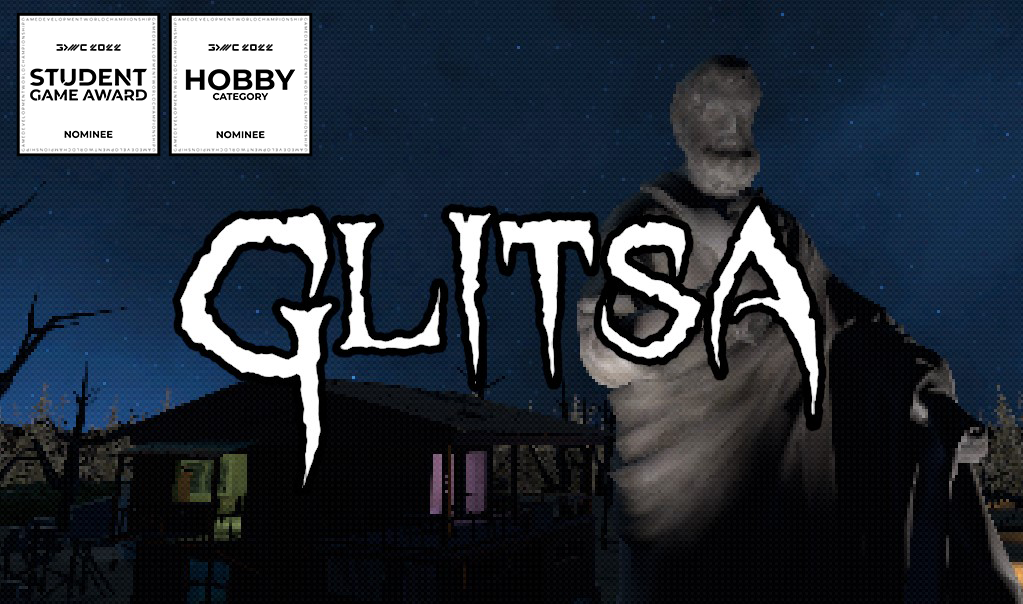
Glitsa is a first-person shooter set in 1960s Crete inspired by Dusk and other games of the boomer shooter genre. The protagonist is a former cultist going back to his village to get his revenge by killing the arch-priest for sacrificing his mother when he was a child. Use your wits, your guns and your glitsa (a shepherd’s crook) to exact justice and rid the island of the cult once and for all.

We were a small team, but we were all on the same page about the kind of game we wanted to make. As big fans of boomer shooters, we were excited to try creating one ourselves both in terms of gameplay and visual style.

The project was part of our university coursework, with a deadline of 12 weeks.

We didn’t have any dedicated artists on the team, so we leaned into “programmer art”. Thankfully, the retro aesthetic of boomer shooters made it easier to get away with visuals that weren’t perfect. Let’s just say… there was a fair bit of asset flipping involved.

Still, we’re really proud of how it turned out in the end.

GDWC 2022 Student NomineeGDWC 2022 Hobby Nominee
Project Info
👤 Role: Gameplay, System & Level Design
👥 Team Size: 3
⏱️ Time frame: 12 Weeks
🛠️ Engine: Unity


Level Design

I designed all of Glitsa’s levels with a focus on fast-paced, readable, and rewarding progression. Each stage was planned from blockout to final gameplay layout, balancing speed and control, inspired by Doom, Dusk, and boomer shooter classics.

Level 1
Cretan Village

This level takes place in a fictional Greek village and is divided into multiple gated stages to control pacing and difficulty. The path is linear but layered, encouraging forward motion while teaching mechanics through environmental design.
Key-based level divided into three gated stages:
⚫-Village Square Starts open, allowing space to experiment with movement and combat.🔴-Neighborhood Introduces tighter paths and more enemy control.🟢-Cemetery Farm + 🟣Maze Final phase with a wheat-filled maze and denser enemy placement.The level slowly scales up movement challenges, enemy density, and verticality. Jump thrusters and teleporters are introduced. Visual blockers like fences are used to prevent sequence breaking. The layout pushes players forward while encouraging speed and aggression.

Designed to ease players into the flow of the game while delivering a fast-paced, readable combat rhythm.


Level 2
Hidden Facilities

This level is a shift in tone and complexity. Set beneath the surface, it tests everything the player has learned so far — movement, pathfinding, and pressure handling across four distinct environments. Each stage was designed to challenge the player in a different way.Key-based level divided again into three gated stages:⚫-Factory Wide arena with stacked platforms, open combat.🔴-Disposal Pool Side paths, backtracking, and hidden pickups.🟢-Mines Tight, torch-lit tunnels filled with ambushes.🟣-Church A large, cathedral-like space for the final boss.Progression is vertical and nonlinear at times, with the player constantly moving between layers using jump pads. Keys and gates are used to pace progress, and lighting is the main navigation tool in dark spaces.

Designed to push movement, awareness, and pacing across four distinct underground stages.


Factory

This space introduces verticality as a key design element. With stacked balconies circling a massive central machine, players must think in three dimensions. Enemies are placed across multiple heights, and the key is located on the top level requiring the player to engage with jump pads and mid-air navigation.Designed to shift the player’s thinking from flat to vertical, rewarding precise movement and observation.


The Pool

A low-ceilinged, claustrophobic area centered around a glowing sludge pool. Here, the level tests the player’s ability to navigate tight spaces while under pressure from above with enemies positioned on bridges and catwalks. The key is hidden in a side room toilet, encouraging exploration off the main path.Built to interrupt the player’s sense of flow and force close-quarters control in a tight, reactive layout.


The Mine

The final arena of the level. This space contrasts the industrial and natural environments before it with solemn, symmetrical architecture. Players receive their last weapon upgrade here before the boss fight. The church’s scale and lighting are used to prepare the player mentally for the game’s climax.Meant to slow the pace before the final fight — using architecture and tone to create weight and finality.


The Church

The final arena of the level. This space contrasts the industrial and natural environments before it with solemn, symmetrical architecture. Players receive their last weapon upgrade here before the boss fight. The church’s scale and lighting are used to prepare the player mentally for the game’s climax.Meant to slow the pace before the final fight — using architecture and tone to create weight and finality.

Gameplay Integration

In early builds, players often missed important items or got stuck navigating, which disrupted the flow we wanted. To fix this, I focused on connecting gameplay systems directly to the level layout, and enhancing interactions with visual and audio feedback to keep things clear and satisfying.

The first problem we faced was that keys, doors, and pickups felt forgettable or hard to notice. They didn’t catch the player’s attention, and often got overlooked during testing.So to fix it, I made sure these items were placed in strong sightlines added rotating, hovering visuals and made the material emission bright. This gave them that classic boomer shooter-style pickup feel that players instantly recognize.

Another issue was that interactions lacked clarity. Players weren’t always sure if they had picked something up, taken damage, or landed a shot.To address this, I helped implement visual flashes, audio cues, and screen effects for those moments. This made interactions more satisfying and helped players understand what was happening without needing UI prompts.

Tutorial Flow

We called it the "Taxi Drop" because the player gets thrown into the game like they were dropped off at the wrong stop.Early testers loved the energy, but some didn’t catch the basic mechanics quickly enough.
They weren’t sure how to shoot or where to go next. The challenge was teaching the player without slowing things down or using pop-up instructions.

To solve this, I designed a short intro area that teaches movement, aiming, pickups, and combat flow using only layout and pacing. Items are placed in the player's path to encourage exploration, and the first enemy is positioned in a way that gives players a chance to react and learn by doing. For returning players, the whole thing can be skipped in seconds.

Environment & Aesthetics

One of the biggest limitations we had was the lack of artists on the team. Everything visual had to come from the designers and programmers, which meant a lot of placeholder models, heavy asset flipping, and creative workarounds. The challenge was building a world that still felt intentional, readable, and fun to play in.

Another issue was that interactions lacked clarity. Players weren’t always sure if they had picked something up, taken damage, or landed a shot.To address this, I helped implement visual flashes, audio cues, and screen effects for those moments. This made interactions more satisfying and helped players understand what was happening without needing UI prompts.

(function(){ document.querySelectorAll('[data-topbar]').forEach((topbar)=>{ if(topbar.dataset.init) return; topbar.dataset.init = "1"; const openBtn = topbar.querySelector('[data-open]'); const closeBtns = topbar.querySelectorAll('[data-close]'); const links = topbar.querySelectorAll('[data-link]'); const open = () => topbar.classList.add('isOpen'); const close = () => topbar.classList.remove('isOpen'); const toggle = () => topbar.classList.toggle('isOpen'); if(openBtn) openBtn.addEventListener('click', toggle); closeBtns.forEach(b => b.addEventListener('click', close)); links.forEach(a => a.addEventListener('click', close)); }); })();

About me

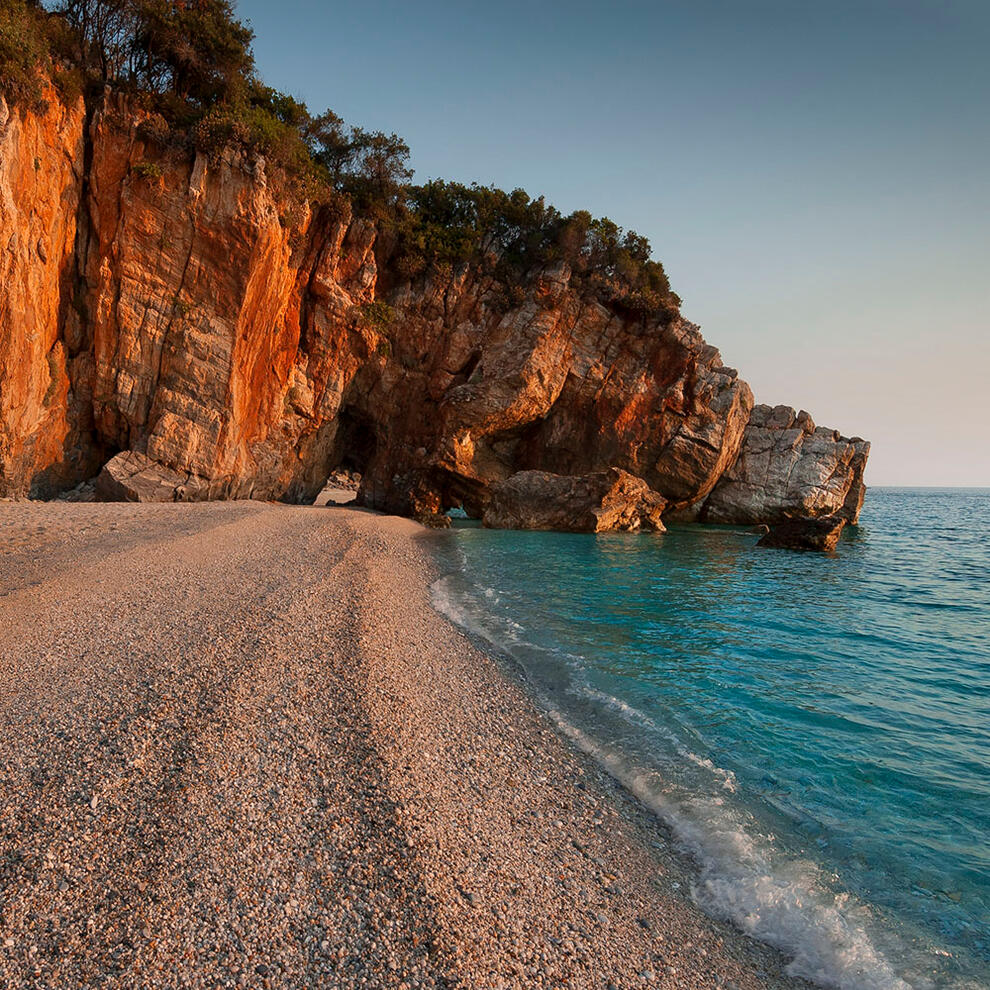
I’m from Volos — a place where you’ll find both mountain trails and beach sunsets, and of course, plenty of tsipouro. It’s a city that balances freedom and contrast, which probably explains why I’m drawn to designing both structured and experimental gameplay.I studied Games Programming at SAE Athens, where I built a solid technical foundation in Unity and C#. But during group work, I was always the one shaping mechanics, tweaking flow, and blocking out levels. That’s when I realized: design is where I belong.

Now I live in Falun, Sweden, studying game design at PlaygroundSquad.I’m focused on level design, working directly in-engine to create immersive environments and refine gameplay systems. I love solving design problems like player navigation, visual cueing, and building tutorials that teach without words.I enjoy being the duct tape between disciplines — making sure gameplay feels right, flows smoothly, and actually makes sense to the player. I work hands-on, communicate often, and love bringing rough ideas to life through iteration and testing.

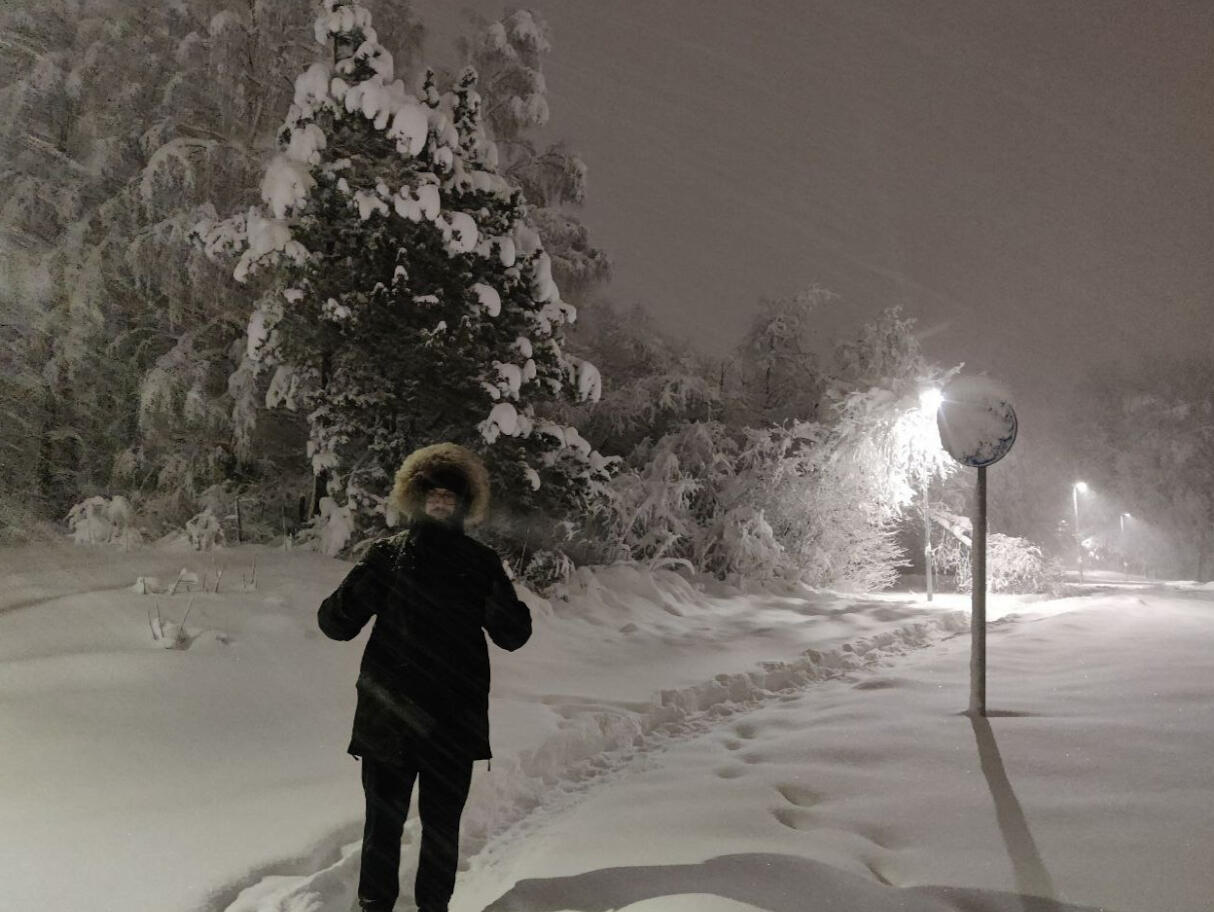
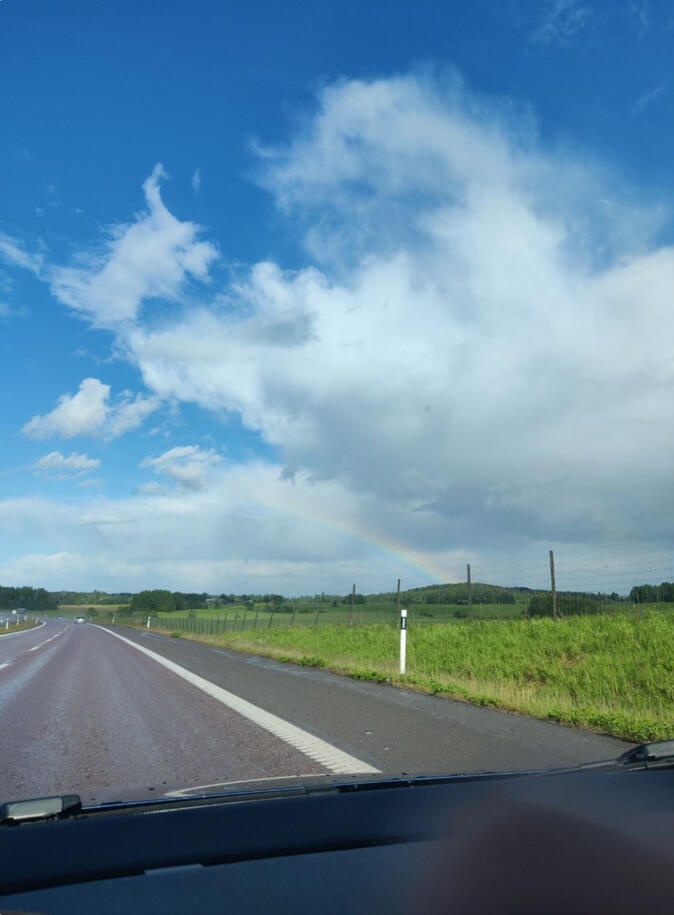
Going from +30°C summers to -20°C winters was a serious shift, but I’ve come to love the cold, the snow, and especially long car rides through forests I never thought I’d live near.When I make games I focus on creating immersive spaces where gameplay feels natural, mechanics feel responsive, and players are taught through movement, layout, and design — not popups.I love working across disciplines, getting deep in the engine, and making games that are just fun to explore and figure out.
The games I love most are the ones that challenge you to think creatively, explore at your own pace, and experiment with systems that respect player agency.
Games like Portal 2, Outer Wilds, Subnautica, Breath of the Wild, and OneShot have all inspired me whether through clever level design, quiet storytelling, or the thrill of figuring things out without being told how.

Going from +30°C summers to -20°C winters was a serious shift, but I’ve come to love the cold, the snow, and especially long car rides through forests I never thought I’d live near.When I make games I focus on creating immersive spaces where gameplay feels natural, mechanics feel responsive, and players are taught through movement, layout, and design — not popups.I love working across disciplines, getting deep in the engine, and making games that are just fun to explore and figure out.

NIKOLAS JOUKOWSKI